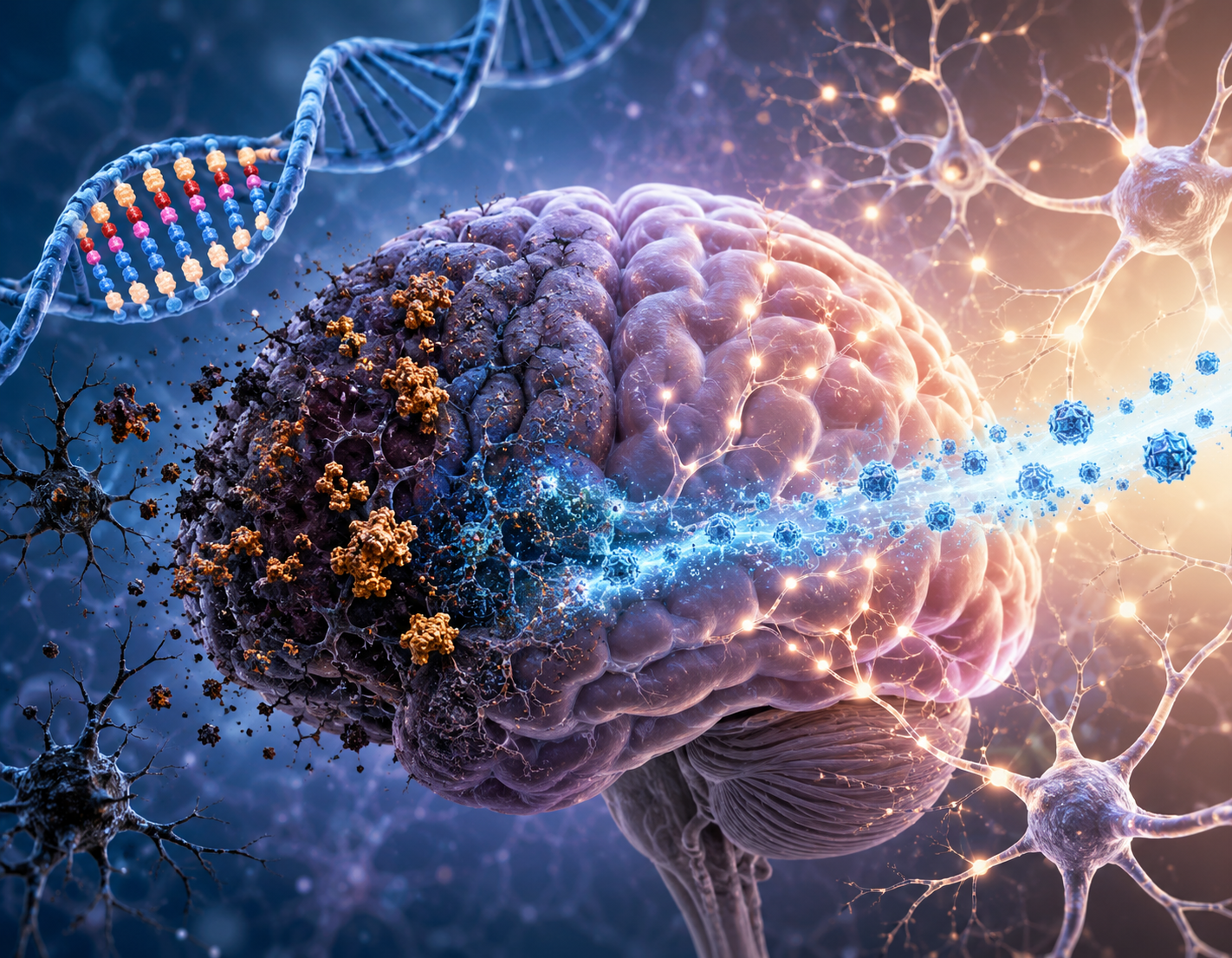
Voters in Texas approved Proposition 14, a constitutional amendment in Texas that will allocate $3 billion for the development of the Dementia Prevention and Research Institute of Texas (DPRIT). This program will support research, prevention, treatment, and rehabilitation of dementia, Alzheimer’s disease, Parkinson’s disease, Essential Tremor, and related disorders. The funds will be used to award grants to educational organizations, advanced medical research facilities, or other groups or individuals for “studying causes, prevention, treatment, and rehabilitation; developing new therapies, medications, protocols, and procedures (including translational research); and building or upgrading research facilities, purchasing equipment, and covering research-related costs.”
The passage of this law could establish the State of Texas as one of the leading research hubs in the United States and may speed up brain-health research. The fund limits annual spending to $300 million in grants over the next 10 years, so results will take years, not months, and funding already received from private foundations and federal agencies will still be needed.
Needless to say, this type of additional boost could lead to earlier diagnosis, better treatments, and prevention strategies for neurodegenerative disorders that affect 1.2 million Parkinson’s patients and 7.2 million Alzheimer’s dementia patients in the U.S. alone.
This type of additional funding will enable more modern infrastructure development, such as research centers, clinical trial capacity, biotechnology spin-offs, and the training of specialists. Combined with organizations like The Parkinson’s Foundation and the Michael J. Fox Foundation, research into these neurological diseases will get a significant boost toward finding the therapies, medications, and eventual cures that millions who live with these diseases need every day.
Discover more from
Subscribe to get the latest posts sent to your email.