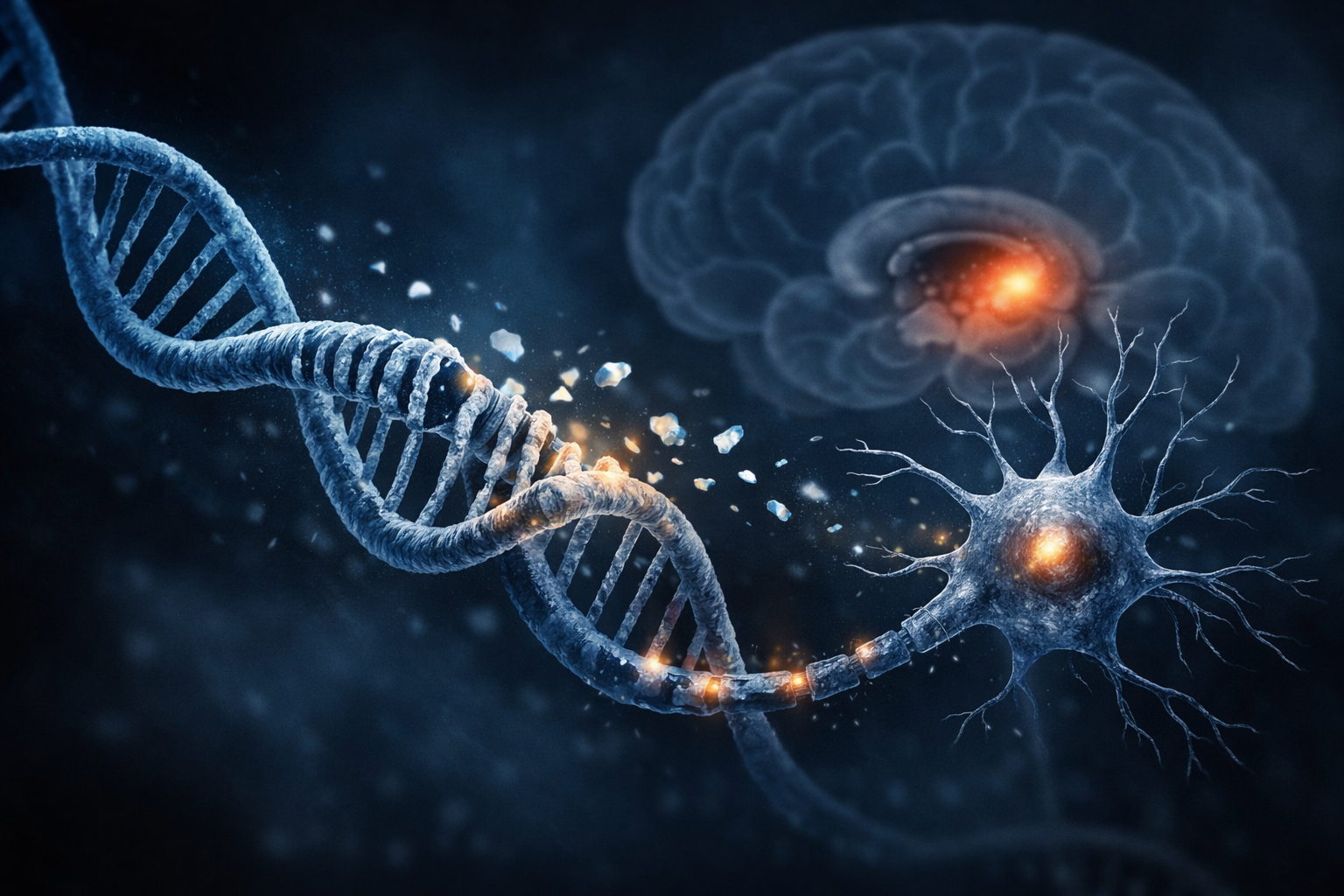
When it comes to childhood movement disorders, there are a few that affect the littlest of us that can impact a person in as little as six weeks. These disorders are caused by genetic mutations in genes that enable neurons in the brain to communicate. In a healthy brain, in a process called an Action Potential or nerve impulse, sodium ions rush into the neuron, and potassium ions move out, creating an electrical spike that sends a wave of electrical activity down the neuron. This activity is known as cell signaling; the process is much like the way electricity moves through the copper wires in your home. For those who are born with genetic mutations, that process is altered by the changed gene by distorting those signals and disrupting the flow of communication between neurons. When those signals are altered, they can lead to neurological symptoms that can change a life forever, and these symptoms can be different depending on the specific gene that has undergone the mutation.
Several genetic mutations are known to medical science. One in particular, affecting infants and young children, involves the gene called GNAO1. Changes in the gene structure cause disruptions to normal brain activity, leading to developmental delays and affect how a child learns to move, think, and communicate. The GNAO1-related disorder usually follows what doctors call a “dominant pattern”, meaning a change in just one copy of the gene can cause the disorder. In most cases, however, the change will happen on its own without receiving a mutated gene from a parent.
The mutations in the GNAO1 gene were identified by a team led by Kazuyuki Nakamura and several other researchers in 2013. They had identified that the mutation caused disruptions in normal brain signaling and could lead to multiple neurodevelopmental phenotypes, including epileptic encephalopathy and involuntary bodily movements.
Symptoms can vary from person to person, with no two children with the disorder being the same. Some children will have seizures, others will have problems with movement, with many of them experiencing both. Physical and mental delays in development are common, with challenges to speech, movement, and everyday activities experienced as the child continues to grow. These can include Epilepsy, abnormal involuntary movements (known as Hyperkinetic) like Dystonia (twisting or stiff postures), Chorea (rapid, jerky movements), Myoclonus (sudden, brief muscle jerks), tremors, ticks, and Ballism (large, violent flinging movements). In more severe cases, children may experience “movement disorder crises,” or “movement storms,” in which uncontrolled movements become continuous and potentially life-threatening, sometimes requiring intensive medical care.
There is currently no cure for GNAO1-related disorder, with treatments focused on symptom management, including anti-seizure medications, drugs to help control movements, and supportive therapies such as physical, occupational, and speech therapy. Deep Brain Stimulation has been used to help reduce and control symptoms with individualized planning on a case-by-case basis.
Research into GNAO1-related disorder is ongoing and expanding. Current efforts include drug repurposing, biomarker development, and gene-targeted therapies. While these approaches remain investigational, they represent important steps toward potential disease-modifying treatments. As understanding of the genetic and clinical spectrum continues to grow, GNAO1-related disorders are increasingly recognized as complex and urgent conditions within pediatric neurology.

Discover more from
Subscribe to get the latest posts sent to your email.