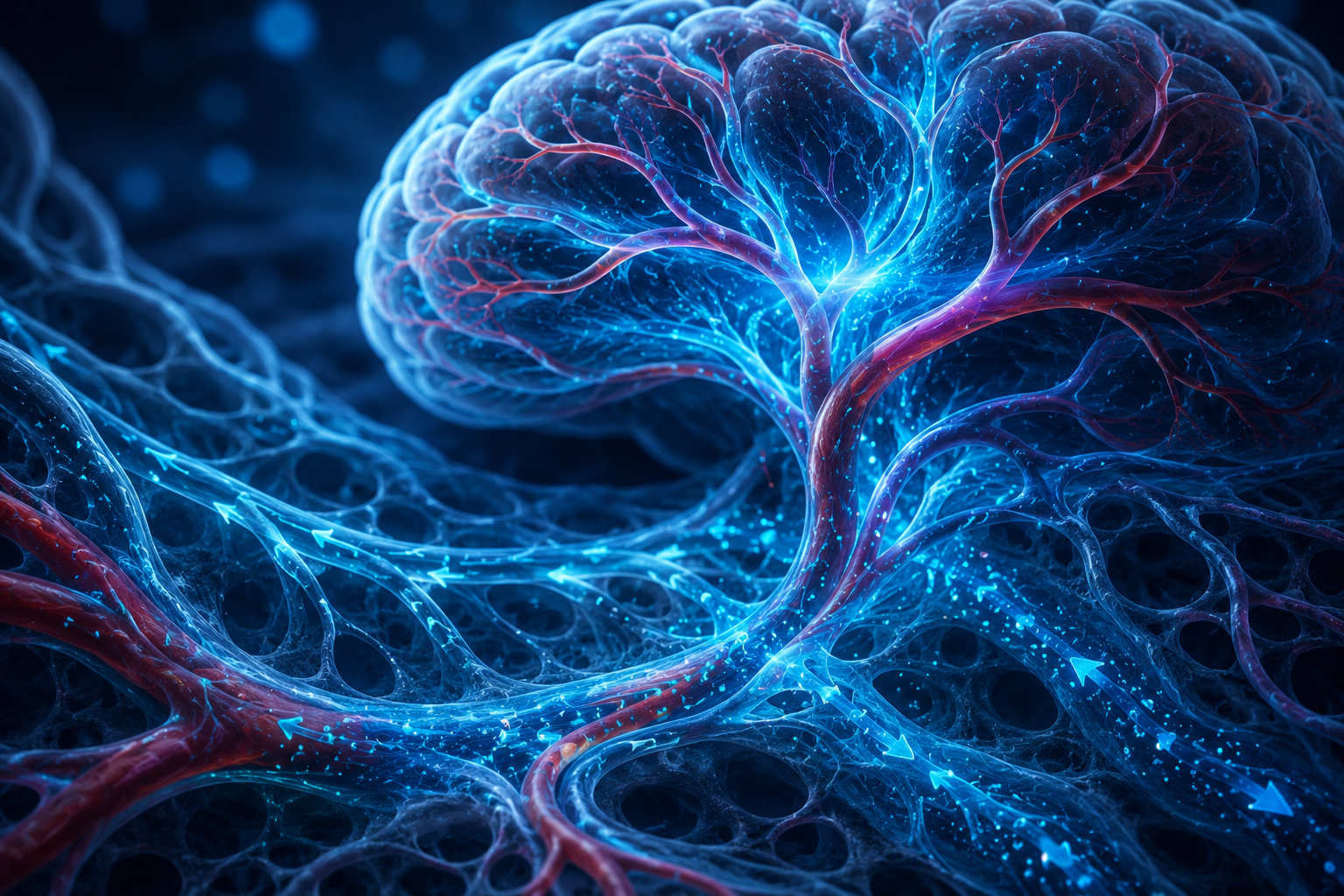
It is estimated that nearly 600 million adults between the ages of 20 and 79 are living with Diabetes Type II (mellitus) globally, according to the International Diabetes Federation (IDF), which translates to around 1 in 9 adults, and projects that those numbers will rise by 2050 to 853 million. Numbers from the World Health Organization (WHO), including all age groups, and more recent estimates at 830 million. In retrospect, the number of people with Parkinson’s Disease is estimated to reach 25.2 million worldwide by 2050.
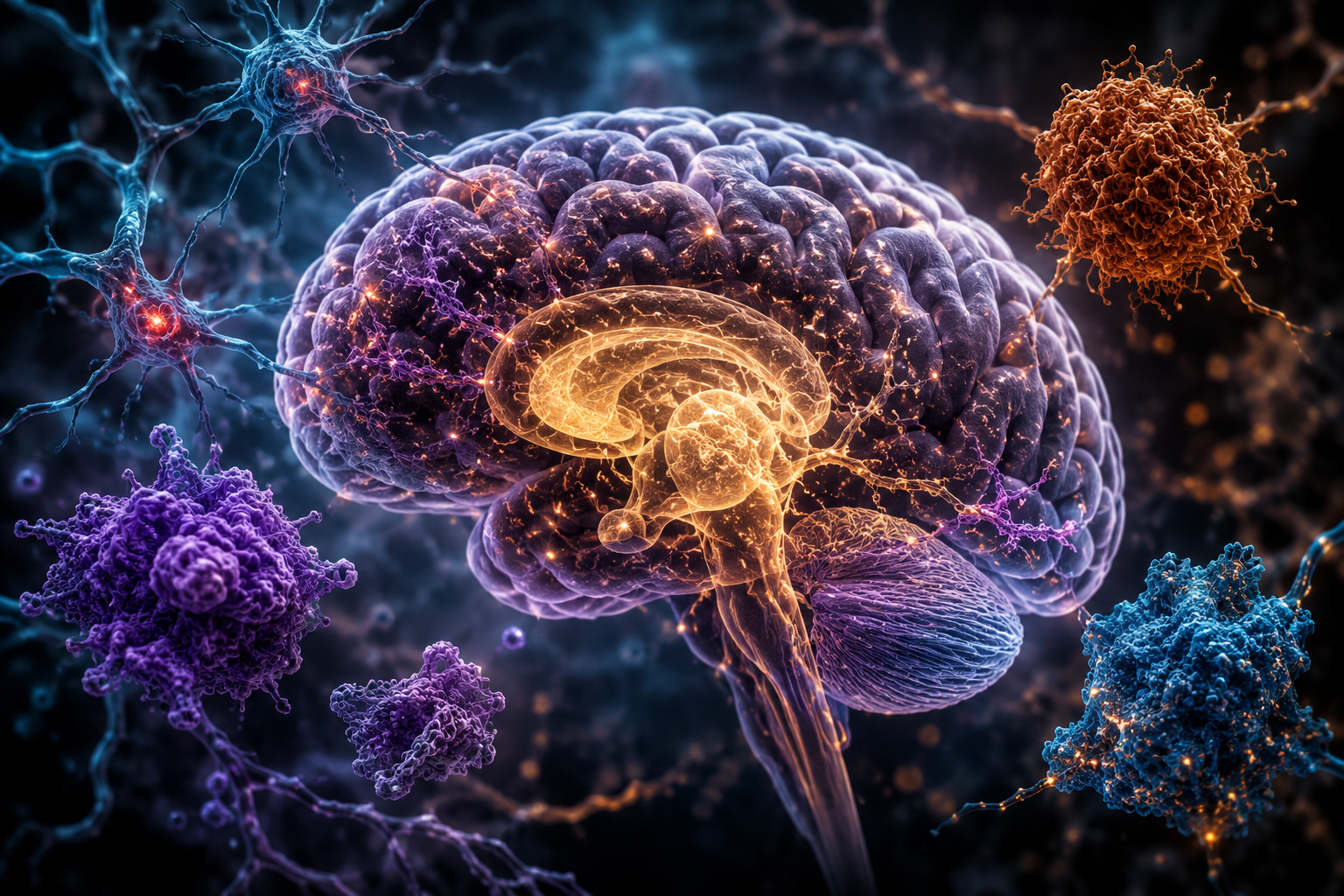
While these numbers are distinctly different, researchers have found links between the two. While Parkinson’s is a neurodegenerative disease caused by misfolding proteins known as a-synuclein aggregates called Lewy bodies found in both the brain and the pancreas, Type 2 diabetes is caused in part by excessive amounts of a protein called Amylin, which misfolds (amylin misfolding is a key pathological feature) and turn in to amyloid fibrils, triggering inflammation and is toxic to beta cells inside the pancreas. These beta cells are responsible for the production and release of the hormone insulin, which lowers blood sugar and maintains glucose balance. Over time, the pancreas loses its ability to effectively make insulin.
So, what’s the tie-in to connect the two together?
Growing research indicates that these two misfolding proteins can interact and “cross-seed” with each other. While the two diseases interact with each other indirectly through aging, vascular disease, and inflammation, the research suggests that the separation of the two is “biologically artificial” according to the authors and may be linked by a shared molecular process.

Noting that “progressive protein misfolding and aggregation occur across multiple organs, including the pancreas, gut, and brain, making these whole-body diseases driven by protein problems, not failures of a single organ.” The implications of this research suggest that any disease can begin at a fundamental biological level. This means treating only one organ or area of the body may never fully cure the disease. Symptoms such as metabolic changes, neurological symptoms, fatigue, or sleep problems may all stem from the same underlying protein dysfunction, rather than from separate conditions.
Were this to be true, treatment strategies and therapies would need to be devised by focusing on early biomarkers like protein changes, metabolic signals, and inflammation, and targeting the warning signs the body gives off, supporting early intervention since “protein problems often begin years or decades before symptoms appear in a specific organ.”
Types of therapies could be devised around treating a condition that could improve multiple symptoms simultaneously, instead of having separate drugs needed, making treatment options more streamlined, and ultimately reducing prescription costs because of the need to take less. A fully realized version of these types of potential treatments could be 15 to 25 years away, but some elements targeting protein misfolding + inflammation + metabolism together are already underway and could be as close as 5 to 10 years away, including the recent breakthroughs in GLP-1 medication.
The future of treatment may be less about managing isolated symptoms of a disease and more about intervening earlier in the disease process itself by addressing the shared biological mechanisms that affect more than one disease at the same time, ultimately reducing doctor visits, lengthy stays in the hospital, and reducing medical and insurance costs on a long-term basis.
The complete study by Yong Peng appears in Parkinsonism and Related Disorders
Discover more from
Subscribe to get the latest posts sent to your email.